

Campus energy management has become a strategic priority as universities respond to escalating energy demand from artificial intelligence, research computing, and digital infrastructure. Once considered a budgeting exercise, energy planning now intersects directly with university innovation, research competitiveness, and long-term cost stability. The acceleration of AI and data center activity is reshaping local power markets in measurable ways. Utilities across the country are contending with load growth that outpaces new generation capacity, driving higher rates and tightening supply.
For university CFOs, CIOs, and facilities executives, these conditions introduce new financial and operational risks. Standard power contracts may not reflect today’s volatility or tomorrow’s constraints. Institutions that combine data-driven planning with proactive procurement models are better positioned to maintain reliability and cost control. Energy has shifted from a background utility expense to a governing factor of campus resilience. Universities that treat it as such will have the flexibility to pursue aggressive computing and research goals without compromising predictability or uptime.
The AI/data center boom and its impact on power markets
The rise of AI and enterprise-scale data centers has transformed regional power markets. Machine learning, digital research, and high-density computing workloads have created energy growth curves that far exceed earlier forecasts. Developers are competing for interconnection access while utilities assess whether existing infrastructure can meet new demands. Price signals that once reflected predictable seasonal cycles now fluctuate sharply due to capacity scarcity.
Campus energy management plays an expanded role within this evolving environment. University customers may see indirect cost impacts tied to congested transmission zones or shifting generation portfolios. Power reliability once taken for granted now depends on how well institutions understand regional grid dynamics. As energy markets adjust to sustained high demand, campuses must treat power as a strategic asset requiring active oversight. Integrating procurement, forecasting, and infrastructure planning within a single model allows leadership teams to make informed decisions and maintain continuity across mission-critical operations.
Why local grids are under pressure
Across the U.S., regional grids are operating closer to their physical and operational limits. AI infrastructure and industrial electrification have driven persistent load growth that outpaces substation expansion. The result is constrained transmission paths, extended interconnection queues, and localized congestion.
Campuses situated near data center clusters or metropolitan corridors are particularly exposed. Shortages in available capacity can lead to service delays or incremental delivery costs. New research facilities or computing expansions often trigger demand thresholds that alter billing classifications. Continuous monitoring of utility filings and grid operator data has become essential for planning. Awareness of pending generator retirements or capacity additions enables universities to anticipate exposure to market volatility and make data-informed decisions about timing, rate options, and investment in distributed energy.
How congestion and capacity constraints show up in university bills
Congested grid conditions manifest directly in higher operating expenses. Transmission charges, congestion fees, and capacity penalties often appear as variable add-ons that compound total power costs. These adjustments can occur mid-contract, straining budgets and skewing forecasts.
Campus energy management systems that track granular power usage help clarify cost drivers. With clear data, finance teams can align budgets with actual consumption patterns and anticipate seasonal or load-dependent spikes. Equipping procurement leaders with visibility into congestion zones supports more accurate rate analysis and long-term forecasting. The result is improved cost predictability and a lower likelihood of surprises during high-demand periods. Knowing how infrastructure limits translate into financial line items gives university planners tangible insight into their energy risk exposure.
What this means for campus energy management
Traditional campus power contracts were not designed for today’s capacity dynamics. Rate structures and escalation paths built on stable demand no longer reflect the emerging grid reality. As regional congestion intensifies, institutions face exposure to flexible tariffs, curtailment risks, and limited price assurance. Procurement teams must adapt contract frameworks to this environment.
Campus energy management provides the intelligence needed to align contractual terms with evolving risk conditions. Contract models now require a blend of price stability, expansion flexibility, and regulatory awareness. Universities that once prioritized lowest cost per kilowatt now value scalability and responsiveness to regional constraints. Negotiating with an informed understanding of interconnection conditions and utility planning processes gives institutions an advantage in securing reliable, predictable service over the long term.
Clauses and structures that matter in a constrained grid
Contracts written for a constrained grid differ meaningfully from legacy templates. Pricing formulas that reference location-specific indices or congestion costs provide transparency. Clauses addressing curtailment, delivery priorities, and escalation caps limit exposure during high-stress periods.
Some institutions include distributed generation provisions to preserve flexibility for future renewable or on-site capacity investments. Legal precision in defining demand response obligations and billing intervals also helps reduce ambiguity. A well-structured agreement treats volatility as a managed condition rather than a disruptive event. Reviewing language against current market structures reveals where cost exposure or service uncertainty remains. Continuous adjustment of contract terms becomes an integral part of campus energy management and not a one-time procurement cycle.
Contract tenor, flexibility, and ratchet risks
Term length and structure materially influence the university’s ability to manage energy risk. Shorter contracts may provide leverage during favorable markets but leave exposure during volatility. Longer terms enhance stability yet require accurate forecasting of energy trajectories. Balancing these factors is critical.
Ratchet clauses represent another key consideration. They apply recurring demand charges based on prior peaks, effectively locking in higher costs. For research or computing campuses that experience brief but intense usage periods, this can be financially punitive. Active management of load timing and flexibility provisions helps mitigate this risk. Aligning contractual obligations with predictive consumption models allows institutions to contain cost escalation and sustain budget certainty over multiyear planning horizons.

Strategies for research and high-performance computing campuses
Research-intensive institutions operate in uniquely demanding power environments. Complex laboratories, high-performance computing clusters, and future data-intensive research all increase the campus energy profile in unpredictable ways. Managing these interconnected demands requires continuous oversight across IT, facilities, and finance.
Campus energy management creates the necessary framework for this collaboration. It integrates operational data, predictive modeling, and contract intelligence into a single strategic process. The result is a more resilient infrastructure capable of supporting high-value research without compromising budget or reliability. As AI research expands, aligning computing roadmaps with energy strategy helps universities remain compliant with sustainability pledges while maintaining uptime and fiscal stability.
Managing demand from labs, HPC, and data centers
Advanced computing and laboratory environments generate irregular but significant demand peaks. AI model training, simulation work, and digital experiments drive short-term load surges that challenge grid coordination. Predictive analytics and submetering tools help identify when and where these spikes occur.
Campus energy management platforms can recommend optimal scheduling or sequencing to balance consumption during lower-cost intervals. Collaboration across operational and academic leadership allows for informed adjustments that protect research continuity while stabilizing budgets. As computing intensity increases, integrating energy intelligence into research planning strengthens data center performance and institutional resilience.
On-site generation, microgrids, and backup options
Distributed and on-site generation options are expanding as campuses seek greater autonomy from grid volatility. Solar arrays, combined heat and power systems, and battery storage solutions now serve dual roles as sustainability assets and reliability buffers.
Comprehensive energy management unites these components into an optimized framework. Microgrids can supply critical research areas during outages or grid constraints, preserving continuity. Evaluating feasibility across technology, financing, and permitting requirements allows universities to strengthen infrastructure without compromising compliance or funding priorities. Viewed strategically, distributed systems form a long-term hedge against volatility and provide a measurable return in energy security.
Turning grid risk into strategic advantage
Energy volatility presents both a challenge and an opportunity. For forward-looking universities, risk visibility becomes a competitive advantage. Modeling long-term grid conditions and consumption profiles gives leadership the data to time procurements and budget effectively. As power systems evolve, campuses that interpret market indicators early can convert uncertainty into actionable strategy.
Campus energy management connects real-time monitoring with financial modeling to improve decision quality. Planning dates, load forecasts, and capacity data all inform procurement sequencing. This strategic alignment of infrastructure and finance empowers institutions to turn reactive risk management into proactive value creation.
Using long-term visibility to negotiate better terms
Procurement negotiations improve dramatically with credible forecasts. Vendors value institutions that demonstrate clear understanding of their load growth and operational patterns. Detailed projections strengthen negotiating positions, opening pathways to more favorable prices or value-add services.
Analyzing scenarios through an energy management lens highlights when to renew, extend, or restructure contracts. Long-term visibility lets universities plan renewals during low-cost periods and include flexibility for expansions or renovations. This foresight transforms negotiation from a short-term transaction into a multi-year strategic relationship guided by data and institutional objectives.
Coordinating with utilities, regulators, and partners
Building constructive relationships with utilities and regulators enhances planning effectiveness. Regular communication creates awareness of proposed tariff changes, incentive programs, or infrastructure upgrades that affect large users. Early participation often yields opportunities for customized service agreements or pilot collaboration.
When campuses plan new data centers or research buildings, coordination helps streamline interconnection approvals and synchronize timelines. Transparent engagement positions universities as reliable stakeholders in regional grid planning. Incorporating this external collaboration into campus energy strategy strengthens both operational resilience and community credibility. Partnerships formed through shared data and mutual planning become essential components of modern institutional success.
How Kb3 Advisors helps universities future-proof their energy strategy
Kb3 Advisors provides specialized support for universities adapting to the rapid changes affecting energy markets. The firm’s experience bridges procurement, market analytics, and infrastructure planning, helping institutions integrate energy strategy into core decision-making.
Campus energy management serves as a foundation of Kb3’s university advisory work. Through comprehensive load modeling, scenario analysis, and contract evaluation, clients gain data-backed clarity about the risks and opportunities ahead. Our approach equips executive teams with responsive strategies that safeguard budgets, protect reliability, and align with institutional growth trajectories. Their work enables higher education leaders to transition from reactive forecasting to forward-managed resilience.
Market intelligence and scenario analysis
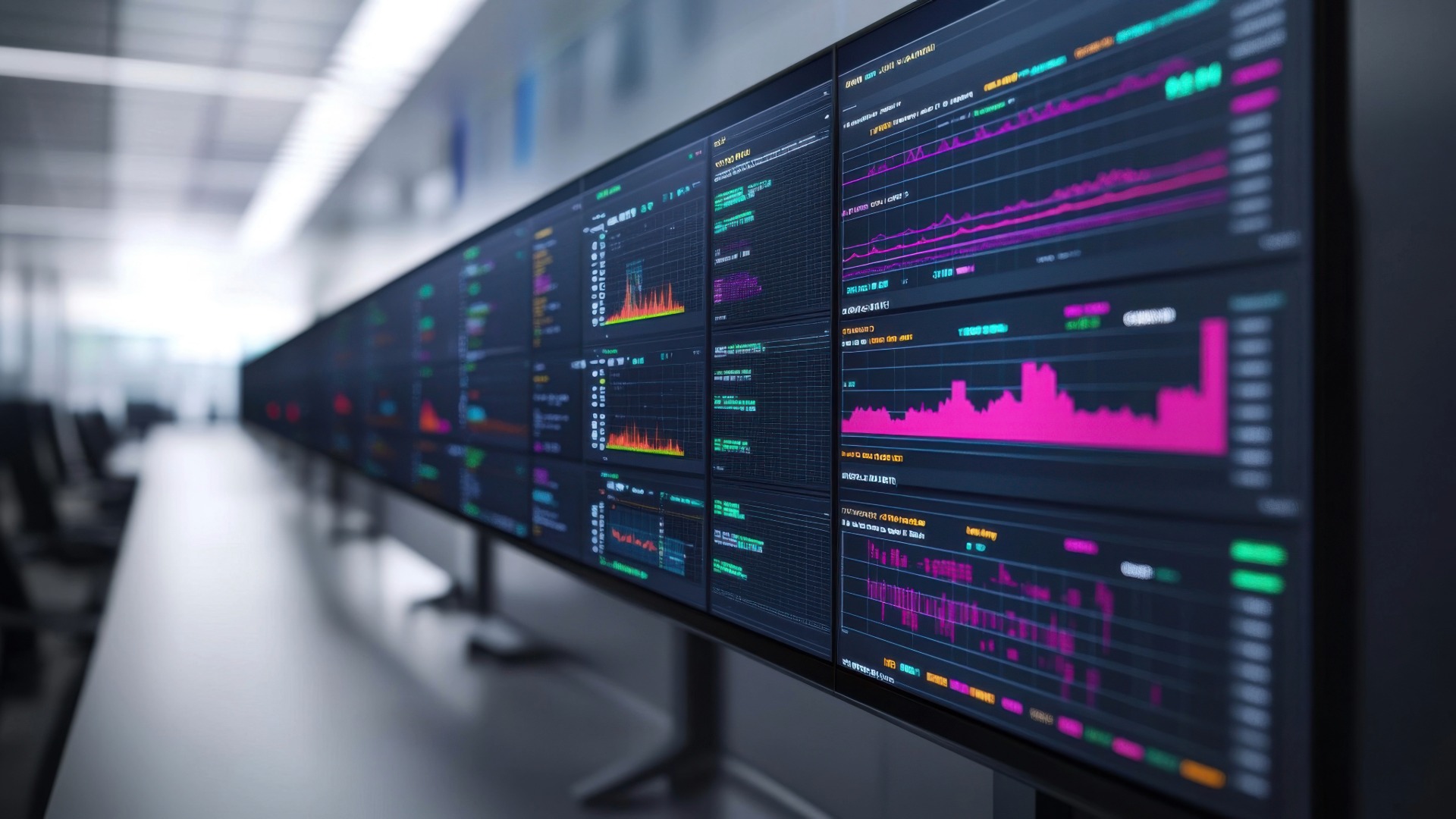
Accurate planning begins with reliable information. Kb3 Advisors delivers real-time insight into market movements, congestion indicators, and capacity trends that shape institutional energy costs. Scenario modeling tools project financial outcomes across multiple conditions, supplying leadership teams with decision-grade intelligence.
Campus energy management supported by this level of analysis transforms energy procurement into a continuous strategic exercise. The ability to visualize price exposure, evaluate future constraints, and compare options builds institutional confidence. Universities gain a clear understanding of how policy, technology, and market developments may influence operations in coming years.
Support for large-load projects and campus expansions
Universities expanding research or digital capacity face unique infrastructure challenges. KB3 Advisors assists clients through early feasibility assessment, cost modeling, and power contract integration for major new facilities or computing centers.
Applying market intelligence to planning decisions avoids common pitfalls such as demand ratchets or delayed connections. Comprehensive advisory support ensures that new projects align with long-term energy and budget strategies. From early design through procurement execution, Kb3’s guidance helps universities manage growth responsibly while preserving continuity and cost stability.
Moving forward with smarter energy strategy
Universities confronting the growing overlap between AI, research loads, and grid constraints can act now to secure stability and confidence. Schedule a strategic planning session with Kb3 Advisors to evaluate your upcoming energy challenges. A focused assessment today can define a reliable, informed energy path for the decade ahead.
Sources
- Clean Energy Resources to Meet Data Center Electricity Demand. energy.gov. Accessed April 3, 2026.
- Long-Term Electricity Procurement for Large Industrial Consumers Under Uncertainty. cmu.edu. Accessed April 3, 2026.
- Evaluating the Cost and Impact of Next-Generation Renewable Energy Procurement Strategies. ssrn.com. Accessed April 3, 2026.
